Quantifying the ROI of Industry 4.0 for Manufacturing and Engineering Leaders
7 min read
September 22, 2025
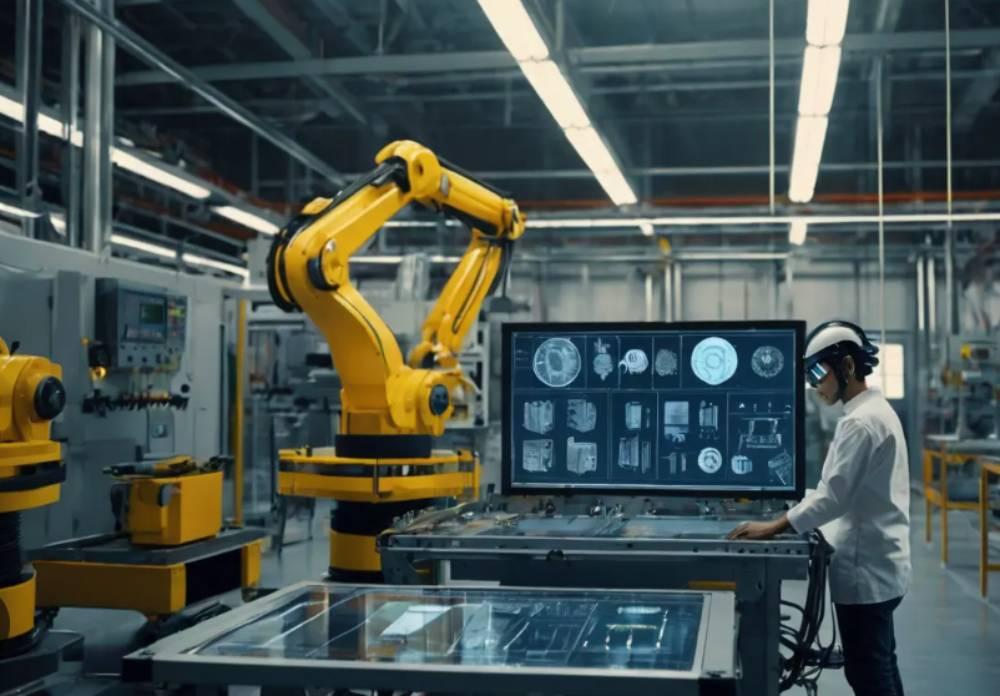
With economic instability and geopolitical pressures, investing in new technologies isn't about chasing the latest trend—it's about building resilience and gaining a competitive edge. This isn't just technology adoption; it's a fundamental business transformation. We're talking about a shift that enables greater agility and helps you navigate complex supply chain disruptions, talent shortages, and ambitious sustainability goals.
When you’re making strategic decisions, you need more than a slick presentation; you need quantifiable results. Many traditional consultants will come in, drop a massive binder of recommendations on your desk, and then disappear.
While traditional consultants bring binders, we bring breakthroughs. Our goal is to move beyond the abstract and show you exactly how industry 4.0 initiatives, like the industrial IoT and digital twin technology, translate into tangible, measurable value for your organization. We stay when others walk away, helping you implement these solutions and measure the real-world impact.
The True Value of Industry 4.0
The global landscape for manufacturing and engineering firms is more volatile than ever. From fluctuating commodity prices to a strained global supply chain, leaders are constantly on the defensive.
Industry 4.0 is the offense. It’s not just about installing new sensors or software; it’s about creating an interconnected ecosystem that provides real-time visibility and proactive control. This kind of transformation is the key to building an agile and resilient operation that can withstand external shocks and pivot quickly to new market demands.
For instance, consider the challenge of managing supply chain disruptions. With a fragmented and siloed operation, a single issue can bring an entire production line to a halt.
However, by leveraging industry 4.0 principles, you can create a network where every component—from raw materials to finished product—is tracked and analyzed. This real-time visibility allows you to anticipate problems before they occur, reroute logistics, and maintain production continuity. It’s the difference between reacting to a crisis and having a plan in place before the crisis even begins.
Powering Operations with Industrial IoT and Real-Time Data
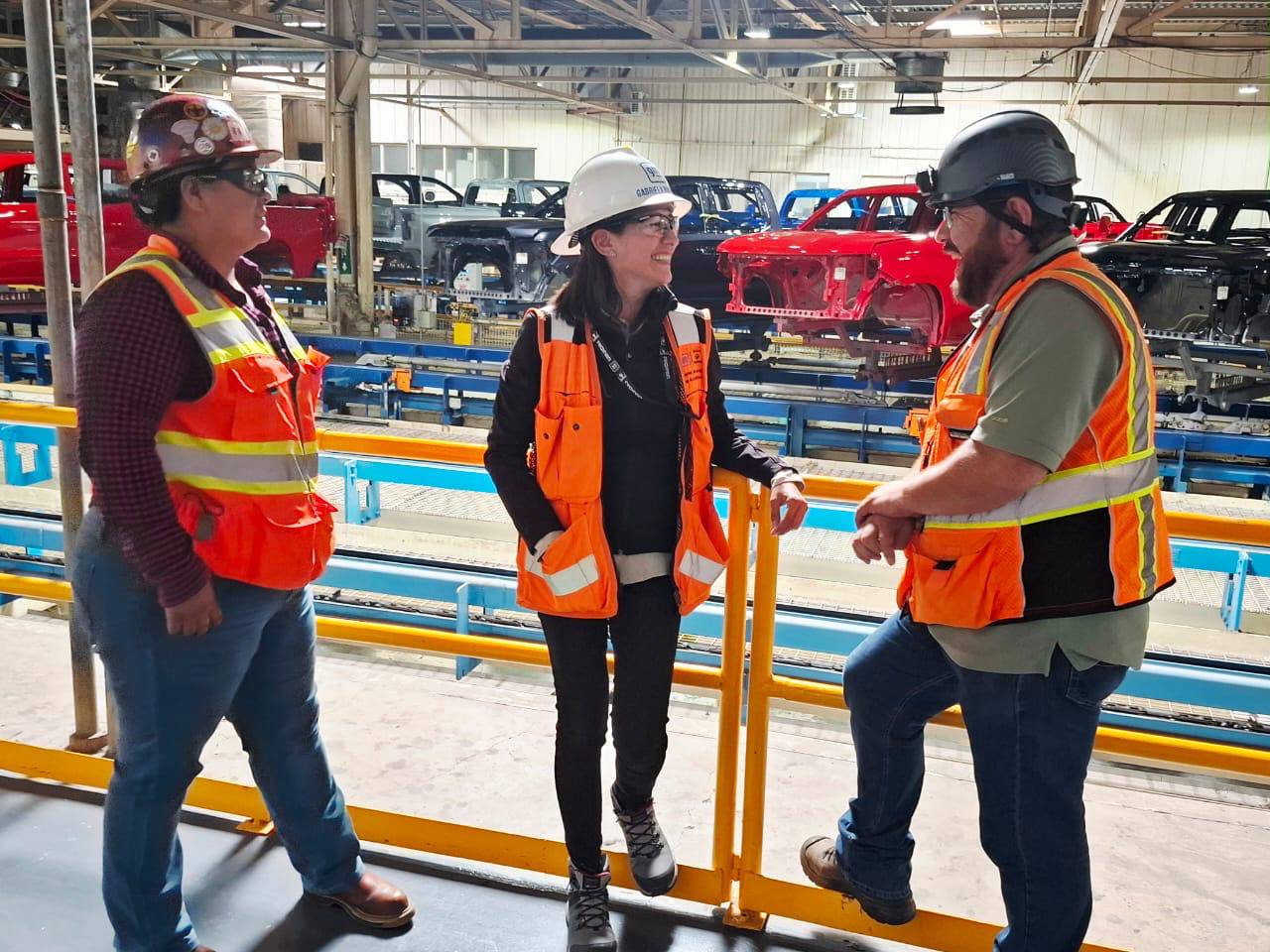
Imagine having a complete, minute-by-minute picture of your entire factory floor. That's the promise of the industrial IoT. It’s more than just connecting devices; it's about deploying sophisticated data acquisition systems that gather information from every piece of machinery and every step of your process. This wealth of data provides unprecedented visibility into your operations, helping you make smarter, faster decisions.
By analyzing this real-time data, you can optimize resource allocation, fine-tune production schedules, and implement predictive maintenance strategies. This is a significant leap beyond reactive maintenance, where you wait for a machine to break down.
Instead, the data tells you exactly when a component is likely to fail, allowing you to perform maintenance proactively during scheduled downtime, thereby reducing unexpected downtime and saving significant costs.
Companies implementing MES (Manufacturing Execution Systems) and IoT together have seen up to 25% increases in OEE (Overall Equipment Effectiveness) and 40% reductions in scrap. These are game-changers that directly impact your bottom line.
This level of insight also directly addresses the challenges of supply chain disruptions. By monitoring your production rates and inventory levels in real time, you can see how a delay in one area will affect the rest of your process and adjust accordingly. This is a strategic advantage that allows you to maintain competitiveness in an unpredictable market.
Unlocking a Strategic Advantage with Digital Twin Technology
One of the most powerful applications of Industry 4.0 is the digital twin. You might be asking, “What is meant by a digital twin?”
In simple terms, a digital twin is a virtual representation of a real-world physical object, system, or process. It uses real-time data from sensors and simulations to create a dynamic, constantly updated mirror of its physical counterpart. This allows for monitoring, analysis, and optimization of the physical entity, often before any physical changes are made.
The key difference between a digital twin and a simple simulation is the continuous data connection and feedback loop. A traditional simulation model is a static, virtual representation used to run "what-if" scenarios. A digital twin, on the other hand, is a “living” model that is continuously updated with real-time data from its physical twin, making it a much more accurate and actionable representation.
Key aspects of digital twins:
Virtual Representation: Digital twins are essentially digital models that mirror the physical world.
Benefits: Digital twins can identify potential issues and optimize performance, leading to increased efficiency.
Applications: In manufacturing, you can use a twin to simulate production lines, optimize processes, and predict equipment maintenance needs.
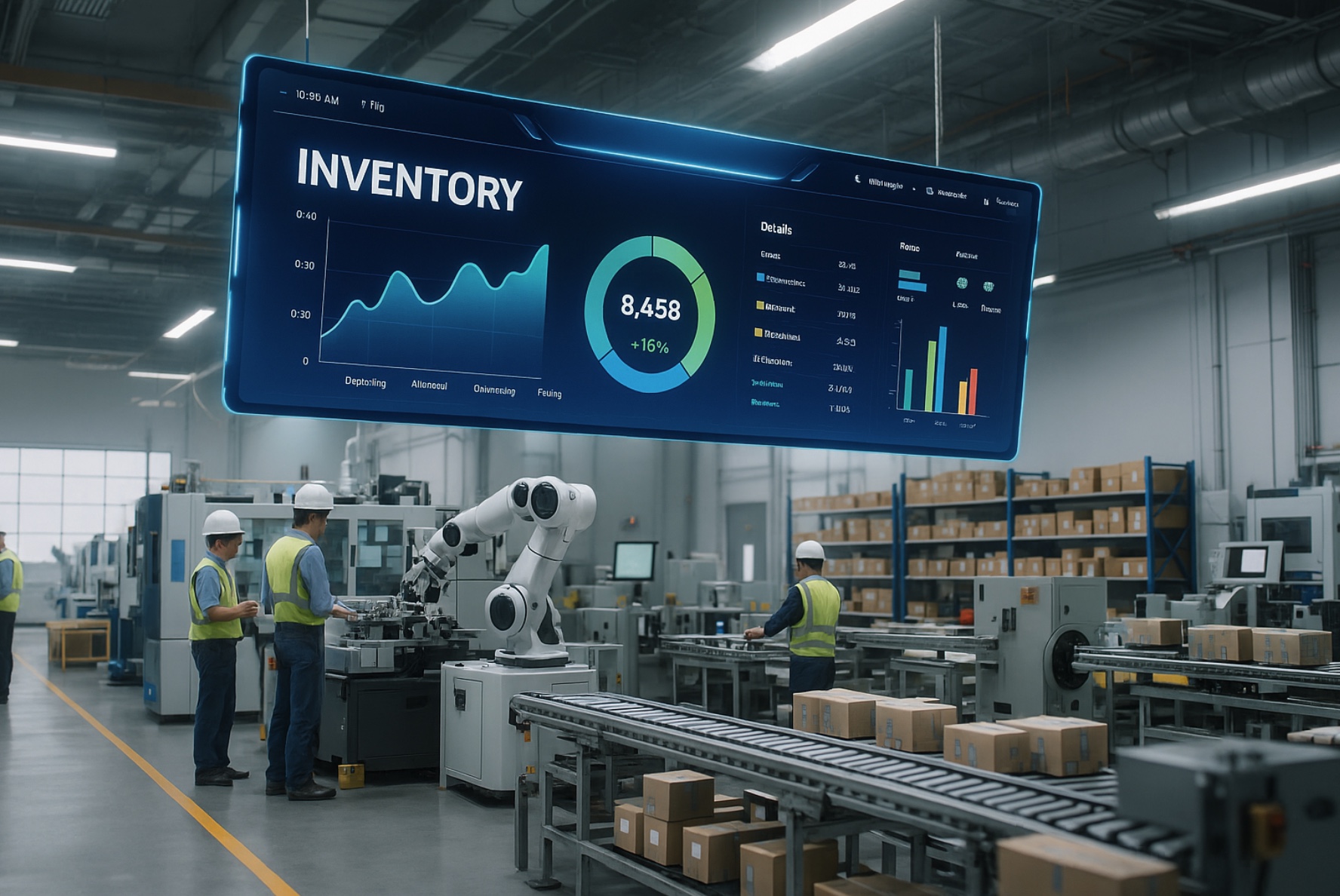
A digital twin is a virtual representation of a real-world object, system, or process.
This virtual replica uses data from sensors and simulations to mirror the behavior of its physical counterpart, allowing for real-time monitoring, analysis, and prediction. Digital twins can represent anything from individual products (like a specific jet engine) to entire systems (like a factory floor or even a city). They are used to improve design, optimize performance, predict failures, and ultimately make better decisions.
While a precise definition varies, the core concept remains consistent across various sources: a digital twin is a data-driven, integrated virtual model that interacts with its physical twin at a defined frequency. This interaction enables continuous monitoring and analysis, allowing users to understand the physical twin's behavior and predict future performance.
Applications span numerous industries. Examples include:
Simulate building processes and identify potential problems early in construction
Model patient responses to treatments in healthcare; and in manufacturing
Optimize production lines and predict equipment maintenance needs in manufacturing
Furthermore, companies like Siemens are major players in providing digital twin software and solutions. The technology frequently incorporates AI for enhanced analysis and prediction capabilities.
The key difference between a digital twin and a simple simulation is the continuous data connection and feedback loop. A digital twin is dynamically updated with real-time data from the physical entity, making it a much more accurate and actionable representation than a static simulation.
While the concept of a "human digital twin" is emerging, most current applications focus on physical objects and systems. The specific type or category of a digital twin often depends on its complexity and purpose.
Translating Technology into Tangible Benefits
For executives, the end goal of Industry 4.0 isn't a new piece of technology—it’s tangible business results. The advancements in Advanced Manufacturing and data analytics aren’t just cool ideas; they are powerful tools for achieving measurable improvements.
Here are some concrete examples of how these technologies translate into real-world benefits:
Efficiency and Cost Reduction: By using industrial IoT to monitor energy consumption across your floor, you can identify and eliminate waste, leading to significant cost savings. The same principle applies to optimizing material usage and reducing scrap. Digital twins can help you model these processes virtually to find the most efficient pathways.
Enhanced Quality Control: Real-time data from sensors can detect production flaws as they happen, allowing for immediate correction. This proactive approach reduces the number of defective products leaving the factory, improving customer satisfaction and reducing warranty costs.
Faster Time-to-Market: With a digital twin of your production line, you can rapidly test new product configurations and processes. This virtual experimentation drastically cuts down on the time it takes to bring new products to market, giving you a powerful competitive advantage.
Many traditional consulting firms will give you a list of things you should do. We’re not a traditional consultant. We work with you to implement these solutions, ensuring you see the return on your investment.
Addressing Executive Concerns
The pressures on manufacturing & engineering leaders extend beyond operational efficiency. They are also grappling with a talent crisis and the urgent need to meet sustainability goals. Industry 4.0 provides strategic solutions to both.
Attracting and Retaining Talent: The manufacturing sector is struggling to attract and retain skilled labor. By investing in smart manufacturing technologies, you create a more advanced and engaging work environment.
The next generation of engineers and technicians wants to work with cutting-edge technology, not outdated machinery.
Clients are not just attracting engineers, they are showing them the company has invested in their future. A modern, tech-forward factory is a powerful recruiting tool that signals a commitment to innovation and growth.
Achieving Sustainability Goals: Industry 4.0 is inherently aligned with sustainability. Real-time data allows for precise resource management, reducing energy consumption and material waste.
Digital twins can be used to simulate and optimize energy flows within a factory, identifying opportunities for significant reductions in your carbon footprint.
This not only helps you meet tightening environmental regulations but also appeals to the growing consumer demand for eco-friendly products.
We believe in a value-driven consulting model that delivers quantifiable results. While some consultants focus on short-term gains, we focus on outcome-based results, focusing on providing tangible value that helps you achieve both your business and sustainability objectives.
Building Your Business Case
The path to Industry 4.0 isn't a single project; it’s a strategic journey. The first step is to build a robust business case that clearly articulates the ROI for your organization. This requires a deep understanding of your unique challenges and a clear vision for how digital twin technology, industrial IoT, and other Advanced Manufacturing solutions can solve them.
Traditional consultants may offer a theoretical framework, but we help you turn that framework into a concrete action plan. We help you quantify the potential savings, revenue gains, and competitive advantages, providing a clear roadmap for success. They bring binders. We bring breakthroughs.
Discover how to build a robust business case for Industry 4.0 initiatives within your organization. Contact Design Systems for a strategic consultation on quantifying the tangible returns of smart manufacturing.
Start your project with confidence
Book a discovery call with an expert manufacturing engineer from our staff.
Design Systems Inc Headquarters
38799 W 12 Mile Rd, Farmington Hills, MI 48331
US: 248-489-4300
www.ds-mfgengineering.com
Canada: 519-944-8807
www.ds-mfgengineering.ca
Mexico: (011.52) 844-254-4029
www.ds-mfgengineering.mx
